
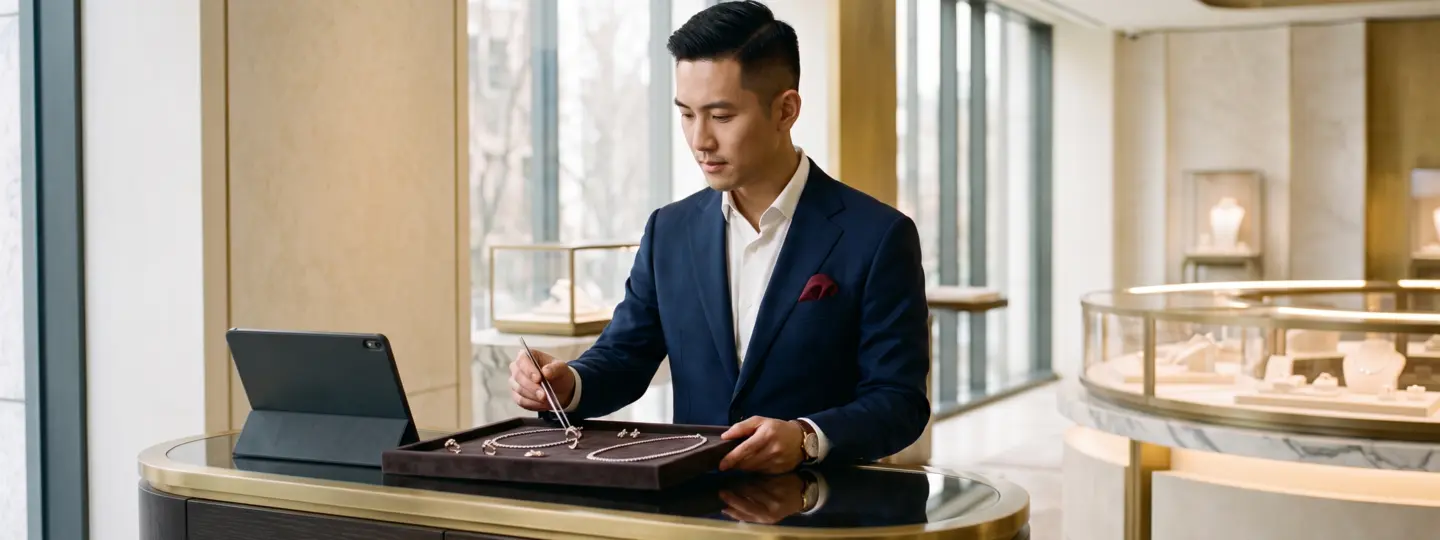

Luxury retail has poured budget into clienteling: profiling apps, training for sales associates, a CRM in every boutique. The modern tooling is in place. Yet advisors still improvise on most client visits, because nobody structured the interaction before the client reached the door. The money went to systems that store and surface customer information, not to the prepared conversation that creates it in the first place.
Clienteling in luxury retail rarely fails for lack of software. It fails for lack of preparation: a shopper reaches the counter, the sales associate has seconds to read the situation, and the relationship starts cold even when a full profile sits somewhere in the system. The gap is measurable: in luxury, booked visits convert at 50 to 60%, according to Booxi's Voice of Appointment report, against an estimated 20% for the average walk-in. What separates a prepared visit from a cold one is not the information a brand holds about its customers. It is the context the advisor can access at the moment that decides the sale.
Clienteling is the practice of building a long-term, one-to-one relationship between a client advisor and an individual customer, anchored in personal knowledge: purchase history, style and size preferences, the occasion behind a visit, the depth of every past interaction. The sales associates on the floor are the ones who deliver that relationship and the personalized service behind it, year after year. In luxury retail, a personalized customer experience is the service standard the price point already promises, not a loyalty perk added on top, and clients notice the moment it is missing.
Here is where most programs stall. Clienteling is a discipline, not a software category. A CRM records what a client bought and a clienteling app surfaces that profile on a tablet, but neither one produces the in-store interaction that fills those systems with anything worth surfacing. The data a clienteling strategy runs on, the individual preferences, the intent, the reason for this specific visit, only exists if the interaction was structured before the client arrived. Skip that step and the profile stays thin, no matter how much a brand spends on digital tooling.
Customer expectations make the stakes concrete. 71% of consumers expect companies to deliver personalized interactions, and 76% get frustrated when it doesn't happen (McKinsey, 2021). In luxury retail, where one advisor relationship can span years of purchases, a generic greeting is a customer service failure. It makes the customer feel like a stranger to the brand, at the exact moment personalization was expected.
So the question that decides a clienteling strategy is not which platform a maison buys. It is whether the advisor knows who is walking in tomorrow, and why. Everything downstream, the preparation, the product recommendations, the continuity between visits, the personalization the customer expects, depends on answering that before the client reaches the counter.
In luxury retail, clienteling breaks down in the gap between the tools a brand owns and the appointments it actually prepares. Picture a premium jewelry maison with 30 boutiques: Salesforce deployed, a clienteling app on every tablet, sales associates trained quarterly. On paper the infrastructure is complete, and leadership assumes clienteling is handled.
Then the traffic arrives. In luxury, only about 17% of shoppers book before visiting, according to Booxi's Voice of Appointment report, so the overwhelming majority reach the door unannounced. The sales associate who greets them has nothing to work with: no visit motive, no product interest, no preferred advisor, no profile on screen. The conversation starts cold, the sale is recorded after the fact, and the clienteling opportunity was lost before the shopper crossed the threshold.
The booked minority gets a different shopping experience entirely. Their sales associate reviewed the profile that morning, pulled a few relevant pieces, and picked up the thread from the last appointment. The customer experience feels personal because it was prepared, not because the advisor is more talented or the software is better. The dividing line between the two experiences is a single variable: was the visit prepared, or not.
That variable is what appointment booking controls. A booked visit hands the boutique the client's intent in advance, the occasion, the declared preferences, the preferred advisor, while a walk-in reveals nothing until someone starts talking. Clienteling depends on knowing before serving, and an appointment is how a brand knows.
The answer is not a booking gate at the door; luxury does not work that way, and forcing the unannounced majority to schedule would break the luxury experience it is meant to protect. The move is to stop treating the walk-in as unknowable. The same platform that prepares a booked visit can also recognize a client on arrival through Booxi's queue management solution: a self check-in by QR code, VIC prioritization that flags the client before the first word, and skill-based routing that sends the right advisor. Appointment booking prepares the visits a brand can anticipate; recognition protects the customer experience in the ones it cannot.
Booked visits power clienteling in a way walk-ins structurally cannot. When a Dior client books a consultation, the boutique knows who is coming, why, and which advisor they trust before the door opens. The in-store experience starts with recognition instead of a cold read.
When the same customer walks in unannounced, the sales associate has a few seconds to judge whether they are a first-timer or a VIC, and everything that follows is improvisation. The purchase history and the customer insights exist somewhere in the system, but they are not on screen, and the reason for the visit stays unknown until someone says it out loud. That recognition gap is the line between clienteling that performs and clienteling that only exists on a slide.
A booked visit closes that gap by giving the client advisor three things a walk-in never will:
Context before arrival. The visit motive (a birthday gift, a new collection, an after-sales need), the declared preferences (size, budget range, occasion), and the visit history all reach the clienteling stack before anyone on the floor says a word.
Preparation time. Pieces are pre-selected and notes are reviewed, so the associate can offer personalized product recommendations from the first minute instead of starting over. Picture a client who has booked an in-store treatment: before they arrive, the sales associate has gone through their profile, purchase history and past interactions with the brand, chosen suitable products for the treatment and set aside a complementary range.
Continuity. Each appointment builds on the one before it. The client profile deepens with every interaction, because the boutique captures structured data each time rather than reconstructing it from memory. A walk-in produces a transaction; a booked visit builds the relationship that produces the next one.
Not every booked visit feeds clienteling the same way, because the one-to-one appointments and the group events of luxury retail reveal different things about the client.
Personal shopping and private styling produce the richest data: style preferences, budget signals, advisor affinity, cross-category interest, the insights a personalized shopping experience is built on. This is also where preparation pays off most directly, in the basket as much as in the relationship, and none of that happens without both sides preparing the session.
In-store and virtual consultations capture product-level interest and extend clienteling beyond the boutique floor. A virtual consultation gives a Hong Kong client the same advisor relationship as a Paris regular, which turns a remote conversation into a logged interaction.
VIP events and masterclasses, booked as group events rather than one-to-one appointments, generate engagement data that transactions alone never surface. A customer who attends three fragrance masterclasses in six months is signaling intent, and that signal only exists because the event was structured and recorded.
Click-and-fit appointments connect online browsing to in-store relationships. The shopper selects products online, books a fitting, and arrives with intent, so the sales associate gets a product shortlist before the visit starts and the move from online to in-store feels like one continuous shopping experience.
After-sales services are the most underused clienteling moment of all. A repair or alteration booking is a reason to bring the client back, build loyalty and add a fresh layer to the profile, not a cost center to be minimized. Product care, repairs and alterations are part of the luxury service offer, and each one is a clienteling touchpoint the brand can prepare for.
Every one of these booked formats feeds structured data into the clienteling stack through native integrations with the tools the brand already runs. Left to walk-ins, those systems only record what already happened; fed by appointments, they know what is about to happen.
This is the slot most stacks leave empty. A clienteling app can only surface data that something else captured, and that capture is the moment Booxi structures: it prepares the interaction before it happens, then passes the context into the systems the brand already runs. That makes Booxi the layer beneath the clienteling stack, the one that produces the data the others store, rather than another tool competing to display it.
Clienteling compounds in luxury retail, because each appointment feeds the next one and helps create a more personalized interaction each time.
First, appointments acquire new clients with context. A first-time customer who books a consultation shares intent, preferences, and contact data before arriving, so the relationship starts with information instead of guesswork.
Second, prepared appointments convert better. The advisor is ready, the recommendations fit the client, and the conversation is relevant from the first sentence.
Third, what follows the purchase brings clients back and deepens the profile: one-to-one after-sales appointments, plus VIP events and new collection previews that clients attend as a group. Every return adds a layer of knowledge that makes the next interaction more personal.
Strip the appointments out and the loop collapses: walk-in traffic produces transactions, transactions become database entries, and the entries sit unused. Nothing compounds, nothing carries over, and the sales associates start from zero every time.
Luxury maisons such as Hermès, Dior, Christian Louboutin and Boucheron run their appointments on Booxi. In luxury, booked visits convert at 50 to 60%, against an estimated 20% for the average walk-in, and across Booxi's client base the average basket after an appointment is 30% higher. No-shows stay under 4% with Booxi, against an industry baseline of 10 to 20%, so prepared slots rarely go to waste. Re-engagement messages by SMS or WhatsApp before the visit play a key role in reducing no-shows. Demand is already there too: 40% of bookings happen outside opening hours, according to the Voice of Appointment report.
Appointment Performance, the measurement side of Booxi, then matches the POS sale to the Booxi appointment behind it, so the revenue of a prepared visit shows up as Appointment Revenue instead of disappearing into the store total. Prepared appointments are where clienteling turns into repeat business, and now the business can see it.
Most clienteling strategy reviews fixate on the profiling and outreach tools. Before funding another app, a brand should pressure-test the strategy with three key questions that expose whether the stack can prepare a visit.
Do the advisors know who is coming in tomorrow? If the answer is no, the clienteling stack is running blind, and no amount of profiling helps once the associate meets the client at the door. Appointment booking built for retail answers the question at the source: it captures visit context at the moment of booking and syncs it into the clienteling stack before the client arrives, so the advisor opens with personalized recommendations instead of a cold question.
Does the booking data reach the clienteling app? A booked appointment that stays trapped in a calendar is a wasted signal. The visit motive, the advisor assignment, and the declared preferences should flow into Salesforce, Tulip, or whichever clienteling platform the brand runs, in real time and both ways, so the customer insights land where the advisors work.
Can a VIC book and be recognized without manual intervention? When a Very Important Client books, the system should flag the visit, assign the preferred advisor, and trigger preparation on its own. Clienteling that leans on an advisor personally remembering a face is luck dressed up as strategy, and luck does not scale across a network of boutiques.
The luxury retailers that win at clienteling will not be the ones with the most software. They will be the ones whose customers never have to repeat themselves, because every visit was prepared before they arrived. Clienteling in luxury retail runs on preparation first and data second: structure the visit, and the profile fills itself.
Are your boutique visits generating all the revenue they should? Most luxury advisors still meet customers without context, so we built Booxi to help them capture the visit motive, the preferred advisor and the declared preferences at booking, then pass them to Salesforce or to clienteling apps such as Tulip and BSPK before the client arrives.
Talk to a Booxi expert to see what prepared visits are worth across your boutiques.
Clienteling in luxury retail is the practice of building a long-term, one-to-one relationship between a client advisor and a customer, grounded in personal knowledge: purchase history, preferences, lifestyle context, and the depth of past visits. It means recognizing a client before they speak, preparing for the visit in advance, and continuing the relationship between visits, so every interaction feels like one ongoing conversation rather than a fresh start.
Appointment booking captures client context before the visit (visit motive, preferred advisor, product interest, declared preferences) and feeds it into the clienteling stack, giving advisors time to prepare. That shifts the boutique from reactive service, where the associate improvises at the door, to prepared, personalized service, where the associate knows who is coming and why. Booxi's Voice of Appointment report puts booked-visit conversion in luxury at 50 to 60%, against an estimated 20% for the average walk-in.
A CRM stores customer data, while clienteling is the practice of using that data to deliver a personal, one-to-one relationship. The CRM holds the purchase history, contact information and interaction logs; clienteling turns them into a prepared conversation. A brand can own a CRM and still do little clienteling, because the data exists but never reaches the advisor at the right moment. The piece that closes that gap is appointment booking, which structures the visit and delivers the context before the client arrives.
Appointment data personalizes on intent rather than on history. Three uses carry most of the value: preparing the advisor before the visit with the service and context the client selected, adapting the in-store offer to the reason the client actually booked, and timing the next contact from the visit itself rather than from a campaign calendar. All three require the booking data to reach the clienteling tool, which is a matter of integration, not of strategy.
The main one-to-one appointments are personal shopping, private styling, in-store and virtual consultations, click-and-fit try-ons booked online, and after-sales services, and VIP events and masterclasses add a group format. Each one reveals something different: styling surfaces preferences and budget, events reveal engagement patterns, and after-sales signals loyalty depth. Every booking adds to the profile the advisor reads before the next one.
More To Explore
5 Retail Customer Journey Map Examples, and What Each Vertical Loses
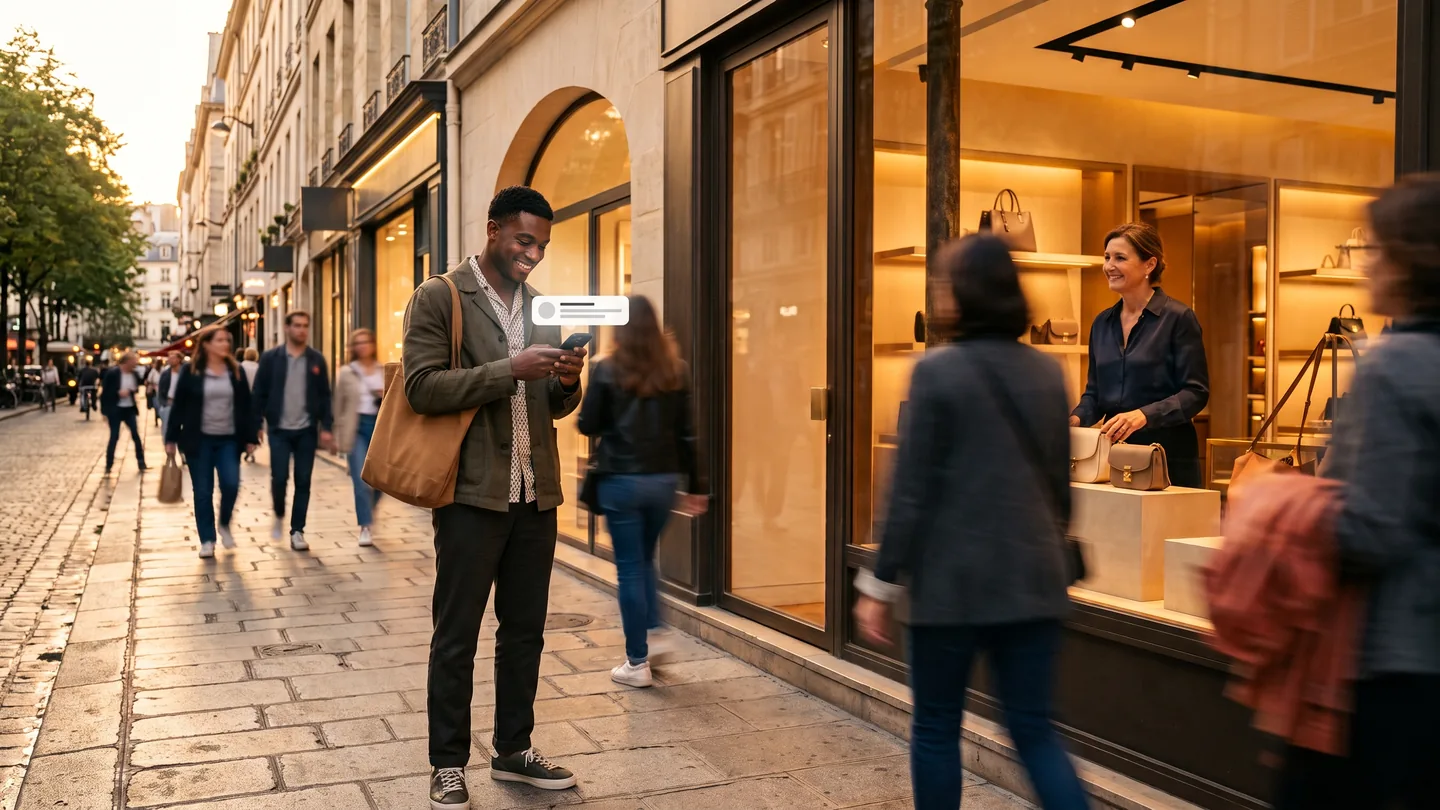
Where Appointments Fit in the Retail Customer Journey
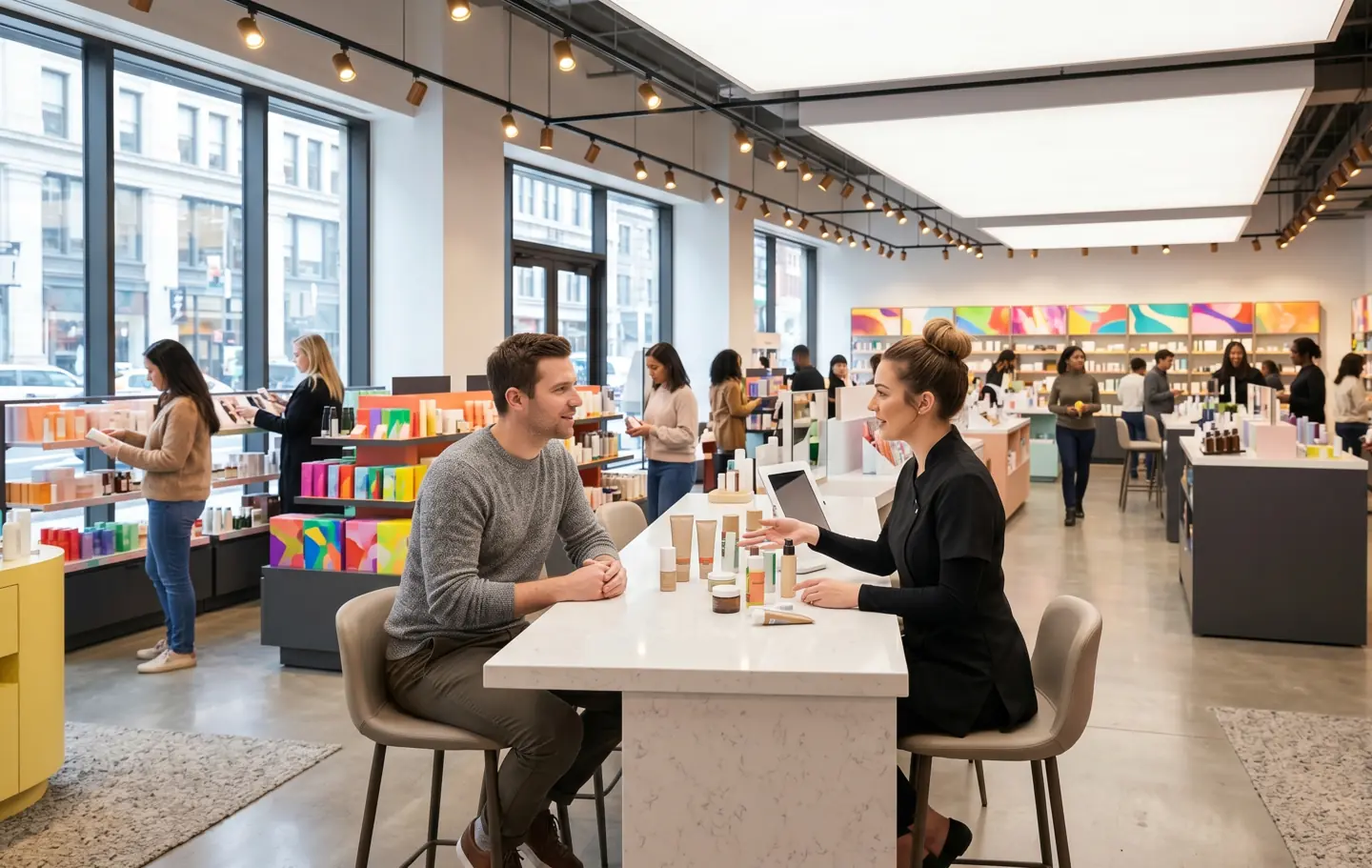
How Retail Appointments Improve Customer Experience in 2026